When a Beautiful Life Still Isn't Yours
Sep 12, 2026A choice can be beautiful, tasteful and rich with possibility and still not feel entirely your own.
There are women who inhabit their style, their work and their lives so beautifully that, for a moment, looking at them can make your own life feel unfinished.
I have noticed how easily admiration can become self-questioning.
You love what another woman has created, but instead of simply allowing it to move you, you begin to reconsider your own choices. You wonder whether dressing as she dresses, building your business as she has built hers, or recreating some part of her life might make your own feel different.
It rarely feels like imitation. It feels like inspiration.
But there is a fine line between being inspired by another woman’s life and quietly abandoning your own in pursuit of the feeling you imagine hers gives her.
What is actually needed is something more discerning: to allow her choices to awaken your desires without dictating their expression.
I don’t believe we lack originality. I think we often edit it before it has the chance to fully emerge, shaping it towards what feels acceptable, familiar, safe or already beautifully modelled by someone else.
Inspiration should not carry you further into another person’s aesthetic or identity. At its best, it leads you back to yourself.
I began to recognise it in the parts of my life that looked perfectly good from the outside.
I had built a successful business, but much of its shape had come from following what had worked for someone else. I bought clothes because I loved how they looked on other women, only to put them on and feel none of what I had imagined they would give me. I had done a beautiful photoshoot, but when I looked at the photographs, I saw an idea of my life rather than the life I was actually living.
Nothing was obviously wrong. That was what made it so difficult to name.
I could see why every choice was beautiful. I just couldn’t find myself inside it.
Absent from the frame
Looking back, the photoshoot was perhaps the clearest expression of it.
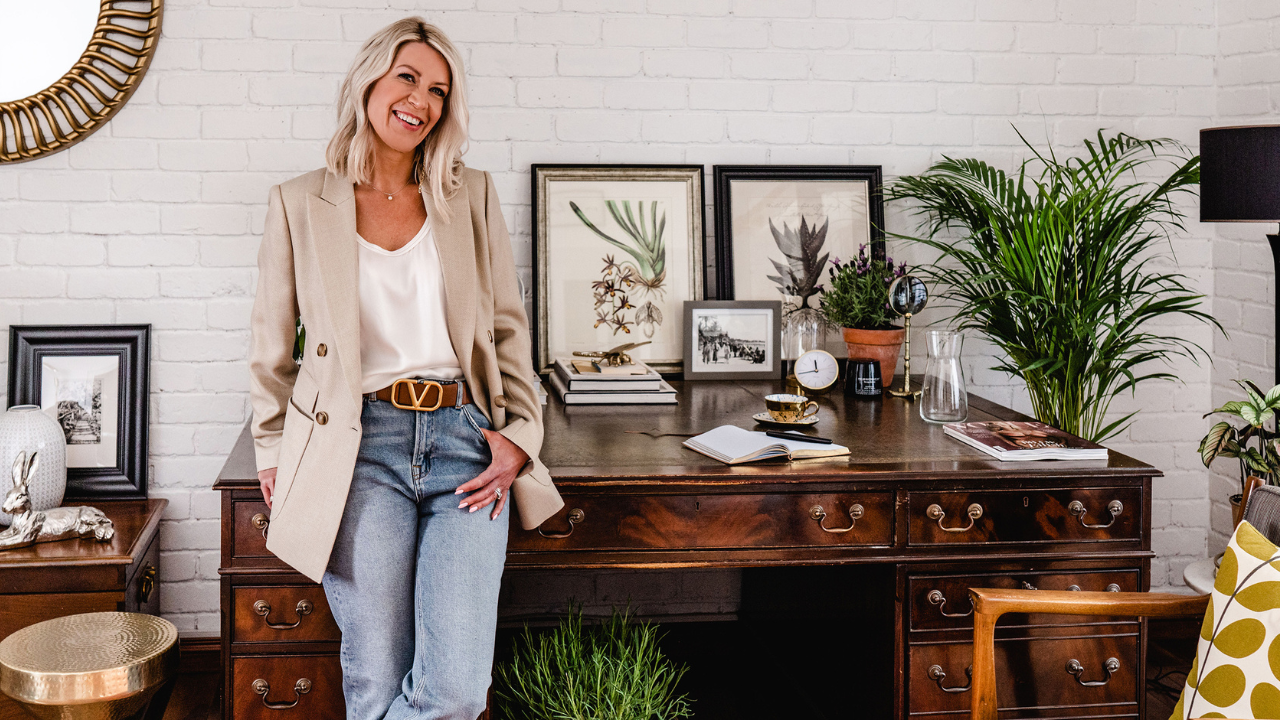
The photographs were beautiful. I looked beautiful. The setting, the clothes and the carefully chosen details created the impression of a beautifully curated life. Yet when I looked at them, I felt strangely absent from the frame.
There I was, but the story surrounding me had been shaped by other people’s ideas of what success should look like. I had allowed myself to be portrayed as the woman I thought the outside world would find impressive, rather than the woman I actually was.
That gap stung. Not because I was ashamed of my real life, but because no part of me wanted to borrow the appearance of another one to prove that I was successful.
I wanted a success I could inhabit, not merely portray.
My real rural life was ordinary, busy, ambitious and deeply fulfilling. It wasn’t champagne, walking glamorously through my home or picnicking in the garden. It was full days and familiar routines, looking after everyone around me and, more often than I wanted to admit, placing myself last.
There was also a heaviness I rarely allowed anyone to see, working through fear, feelings of inadequacy and the persistent belief that I was never quite good enough.
I didn’t always feel completely at home, even within my own life. I was still learning how to make space for myself among the needs and expectations of others, while presenting a version in which everything appeared beautifully held together.
The photographs weren’t a lie. But they couldn’t show the whole truth of the woman inside them.
Every photoshoot became an attempt to communicate the calibre of my work before I had found my own language for it. I wanted the images to convey confidence, discernment and possibility. But in reaching for a familiar visual language of success, I sometimes moved further away from my own.
The irony was that my life didn’t lack beauty. I already had a beautiful home and gardens, an instinctive eye for finer things and a quiet composure that remained even when life behind the scenes felt chaotic. None of it needed to be made grander. I simply needed to trust that it was worthy of being seen as it was.
There was another truth beneath it all: I was proud of what I had created, but I knew I was capable of more. My desire for greater success wasn’t borrowed. It was real. The way I had learned to express that desire, however, didn’t always belong to me.
I imagined that if I could see the next level reflected back at me, I might finally feel ready for it.
But confidence wasn’t waiting inside the image.
What I was looking for wasn’t a particular photograph, outfit or version of success. It was the feeling I believed each of those things would give me.
I wanted greater confidence and the feeling of finally being enough. I wanted permission to honour my bigger desires and create more success. I wanted to be recognised in a field saturated by noise and sameness. Most of all, I wanted the self-trust to follow my intuition without continually looking outside myself for confirmation.
But none of those things could be curated into existence.
An image could communicate confidence, but it couldn’t create it. Recognition could affirm me, but it couldn’t define me. Greater success could expand my life, but it couldn’t resolve the feeling that I wasn’t yet enough.
The things I had been trying to make visible first had to become true within me.
Space before a plan
The first choice I made was to step away from spaces shaped by principles and definitions of success that I no longer believed in.
It wasn’t a dramatic rejection of what those spaces offered. They had simply stopped feeling true for me.
Nor was I looking for another voice to replace them. I was craving enough quiet to hear my own, to distinguish my desires from what I had absorbed, and my intuition from what had simply become familiar.
I needed space before I needed a plan.
Only then could I begin moving forward in ways that felt honest, grounded and unmistakably mine.
At first, freedom did not feel entirely free.
There was discomfort in no longer filling my mind with the familiar frameworks and processes I had relied upon. When those voices disappeared, my own did not immediately become clear.
It took months to disentangle other people’s ideas, desires and definitions of success from my own. But gradually, beneath all the noise, I began to feel something recognisable return.
My confidence changed with it. It no longer felt like something I had to construct, display or manufacture. It was quieter and steadier, but it felt more like me.
What I remember most is the freedom, the freshness that returned to my inner world and the sense of my own knowing beginning to flow again.
I wasn’t learning how to become someone new. I was remembering how to hear myself.
Enough, and still wanting more
What changed most when I began hearing myself again was the feeling that I was already enough.
I was still driven by desire. Still hungry for more. Still deeply ambitious. But I was no longer using that ambition as evidence that something about me or the life I had already created was inadequate.
Feeling enough didn’t diminish my desires. It clarified them.
I could want more because it genuinely called me, not because my present life had failed or because the next achievement might finally prove my worth.
I no longer needed success to validate me. It could become an expression of who I was, rather than a correction of who I believed I wasn’t.
Letting life breathe
The change didn’t make my life less beautiful. It made the beauty feel less staged.
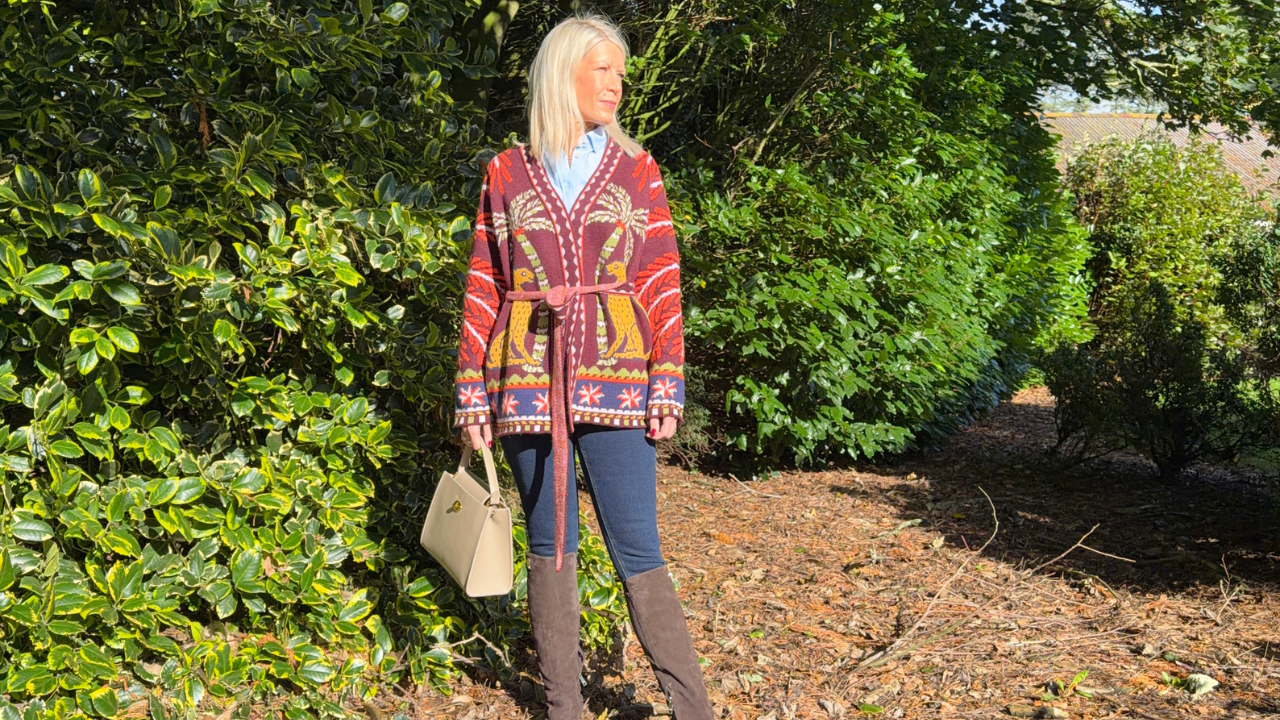
I began giving myself permission to spend on pieces I genuinely loved, not to construct the right image, but to explore new brands and styles that felt naturally and unmistakably mine.
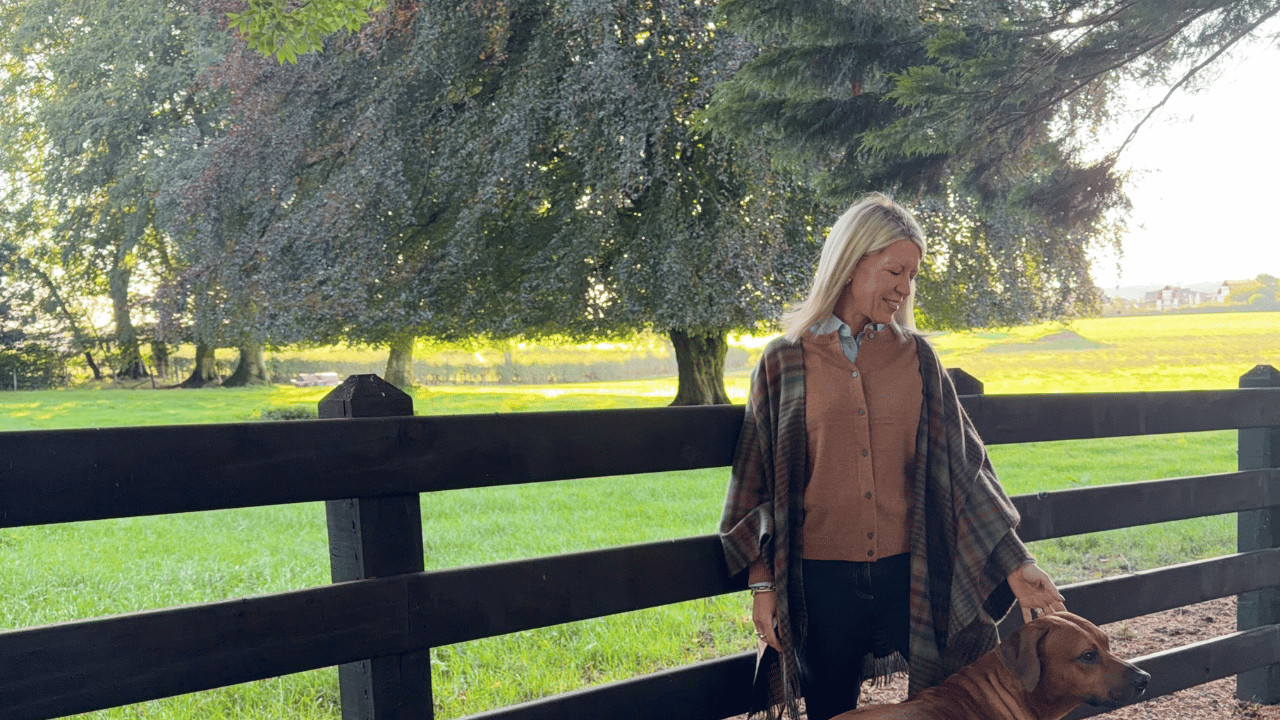
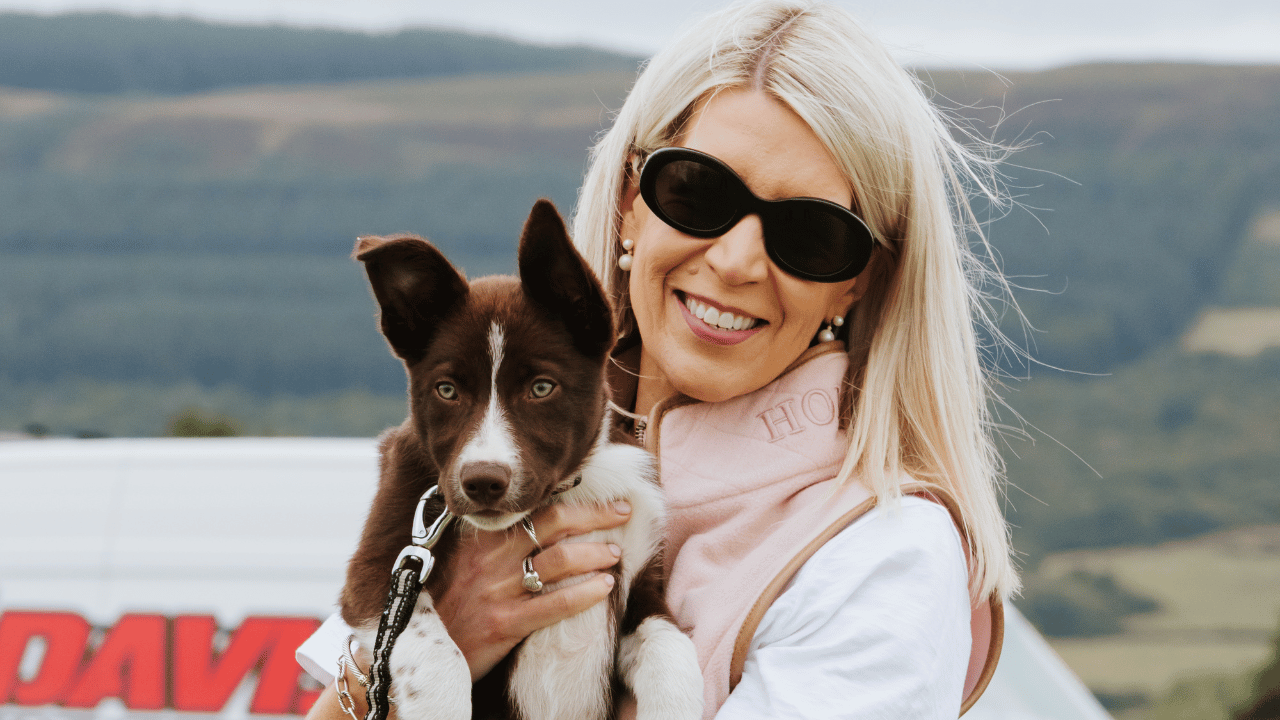
I started sharing my rural life as it was actually lived: days with the children at farm shows, what I was wearing, the more intimate moments and the real reasons behind the choices I made.
Most importantly, I stopped turning every experience into a lesson and every instinct into a process I could teach to someone else. My life no longer had to prove my expertise each time I shared it.
I simply let it breathe.
And when I stopped asking my life to prove something, it began to feel more fully mine.
Perhaps this is how we know when a beautiful life has truly become ours.
It resonates without force.
There is a peace within it, not an absence of ambition, but an absence of performance. We remain free to desire, create, expand and prosper without treating the life we have now as something we must escape.
Most of all, we can breathe fully within it.
I can look at those photographs now with tenderness. They captured something beautiful, a woman reaching for more, using the visual language she knew at the time. I don’t need to reject her or the life she was trying to create.
But I understand now that a life does not become ours because it looks convincing from the outside.
A beautiful life becomes ours not when other people can see its beauty, but when we are no longer absent from it.